Car troubles can hit when you least expect them. And when that check engine light blinks on, panic often follows.
Knowing basic engine repair can save time, money, and a whole lot of stress. This post breaks down essential car engine repair tips that every driver needs.
From spotting early warning signs to knowing when to call a professional, these insights will help keep any vehicle running smoothly.
By the end, drivers will feel more confident under the hood and better prepared for whatever the road throws their way.
Understanding Car Engine Basics Before Repair
Car engines might look complicated, but they’re not as scary as they seem.
At their core, engines are just machines that turn fuel into motion. They have key parts like pistons, cylinders, spark plugs, and the crankshaft. These components work together to create power.
The engine block houses everything, while the oil keeps parts lubricated and cool. The cooling system prevents overheating.
And the exhaust system pushes out fumes. Knowing these basics helps drivers spot problems faster.
When something sounds off or runs rough, understanding what’s under the hood makes troubleshooting easier. It’s like knowing the layout of a house before trying to fix the plumbing. A little knowledge goes a long way.
Spotting Signs Your Car Engine Needs Repair
Engines usually give warning signs before major problems hit. Catching these early can prevent costly breakdowns and keep drivers safe on the road. Here are key symptoms to watch for:
- Strange noises like knocking, grinding, or hissing mean something’s wrong inside.
- Check engine light stays on or blinks frequently during drives.
- Unusual smells like burning oil or sweet coolant indicate leaks.
- Loss of power when accelerating or climbing hills signals trouble.
- Excessive smoke from the exhaust in white, blue, or black colors.
- The engine overheats regularly, or the temperature gauge reads too high.
Top DIY Car Engine Repair Tips for Beginners
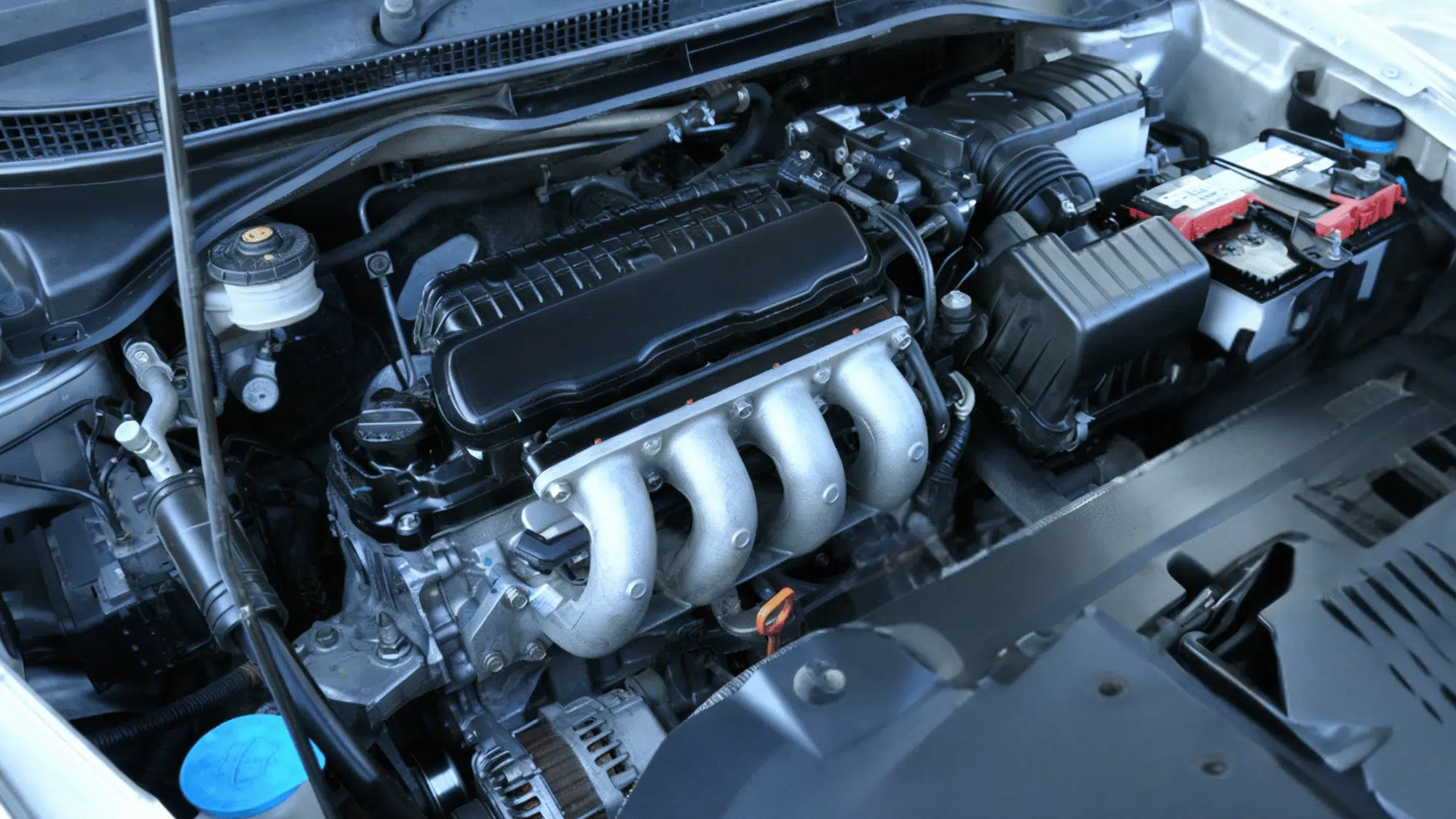
Not every engine problem requires a mechanic. Some repairs are simple enough for beginners to handle at home with basic tools and a little patience.
1. Start with the Owner’s Manual
Your vehicle’s manual is the best reference for understanding engine layout, recommended fluids, and maintenance intervals.
Before attempting any repair, study the manual to identify parts correctly and avoid mistakes.
It also includes safety warnings and torque specs that help you perform repairs more confidently and prevent damage to delicate components.
2. Keep Your Workspace Organized
A clean, well-lit area reduces frustration and accidents during engine repairs. Lay out tools in order, use magnetic trays for bolts, and label removed components to make reassembly easier.
Organization helps you track progress, prevents mixing up parts, and saves time. A tidy workspace also improves safety by reducing clutter around moving or hot engine parts.
3. Diagnose Before Replacing Parts
Beginners often swap parts prematurely. Instead, listen for unusual sounds, observe warning lights, and use an inexpensive OBD2 scanner to read error codes.
Proper diagnosis avoids unnecessary spending and ensures the real issue is fixed.
Understanding symptoms improves your mechanical skills and prevents replacing functioning components just because they seem related to the problem.
4. Take Photos During Disassembly
When removing hoses, wires, or brackets, snap detailed photos with your phone.
These step-by-step visuals act as a reference during reassembly, helping you avoid misrouting parts or forgetting connections.
Photos reduce anxiety about complex repairs and ensure you put everything back correctly. This simple habit saves time and prevents small mistakes from turning into larger engine issues.
5. Use the Right Tools
The proper wrench, socket, or puller makes repairs easier and safer.
Quality tools prevent stripping bolts, damaging parts, or causing injury. Investing in essentials like a torque wrench, screwdrivers, and pliers improves accuracy and confidence.
Using correct tools also reduces frustration and ensures repairs meet manufacturer specifications for tightening and alignment.
6. Follow Safety Precautions Always
Engines contain hot surfaces, sharp edges, and electrical components, so safety must come first.
Disconnect the battery before working, allow the engine to cool, and wear gloves and eyewear. Proper ventilation is crucial when using chemicals or running the engine.
Simple safety habits prevent burns, shocks, and injuries, allowing you to focus on completing repairs successfully.
7. Start with Simple Repairs First
Begin with easy tasks like replacing air filters, spark plugs, or engine oil before tackling complex repairs. These basics build confidence and help you understand how major engine components interact.
Starting simple reduces risk, teaches foundational skills, and makes advanced projects less intimidating as your comfort level grows. Progress gradually and celebrate small successes.
8. Don’t Rush the Process
Engine repairs require patience and careful attention. Rushing increases the chance of forgetting steps, overtightening bolts, or misdiagnosing problems.
Work slowly, double-check connections, and consult guides when unsure.
Taking your time helps you avoid expensive mistakes and produces safer, more reliable results. Treat every repair as a learning experience rather than a race.
9. Know when to Seek Help
Some repairs exceed beginner skill levels, especially those involving internal engine components or advanced diagnostics.
Recognizing your limits prevents costly damage and keeps you safe. Ask experienced friends, consult online forums, or visit a professional when necessary.
Seeking help isn’t failure; it’s smart decision-making that ensures your car receives the correct repair.
When to Call a Pro for Car Engine Repair
Some engine issues are best left to the experts. While DIY fixes work great for simple problems, certain repairs need professional hands.
If the check engine light won’t turn off after basic troubleshooting, it’s time to call in help. Major oil leaks, transmission troubles, or timing belt replacements aren’t beginner jobs.
Strange grinding sounds from deep inside the engine mean severe damage might be happening. Overheating that won’t stop even after coolant refills needs professional diagnosis.
And if smoke keeps pouring from the exhaust, don’t wait.
Trying complex repairs without experience can make things worse and cost more down the line. Knowing when to step back saves money and headaches.
Preventive Maintenance to Avoid Car Engine Repair
Regular maintenance keeps engines running strong and prevents expensive repairs. A few simple habits can add years to any vehicle’s life and save thousands in the long run.
- Change engine oil every 3,000 to 5,000 miles to keep parts lubricated.
- Replace air filters regularly so the engine breathes clean air.
- Check coolant levels monthly and flush the system every two years.
- Inspect belts and hoses for cracks or wear before they snap.
- Use quality fuel and add fuel system cleaner occasionally.
- Keep up with scheduled tune-ups and follow the owner’s manual.
To Conclude
Taking care of a car engine doesn’t have to feel overwhelming.
With the proper knowledge and attention to detail, drivers can handle minor fixes themselves and know exactly when professional help is needed.
Regular maintenance makes all the difference between smooth rides and constant breakdowns. When something does go wrong, spotting the warning signs early prevents bigger disasters.
The engine is the heart of any vehicle. Treat it well, stay alert to problems, and it’ll keep running reliably for years. Smart drivers invest time in prevention, not just repair.