

Formula Ford is one of the most respected names in motor racing. It has played a key role in shaping the sport for decades.
The series earned trust by keeping racing fair and straightforward. Cars were built to test talent, not budgets. This approach helped create close competition on the track.
Over time, Formula Ford became known for strong racing values. Teams, coaches, and fans paid attention to its results.
Many careers took shape within this system. The series helped build confidence and racing habits early on. Its influence reaches far beyond its own races.
The History of Formula Ford: How It All Began
Formula Ford began in the United Kingdom in 1967. It was created as a low-cost racing series to help young drivers move up from karting to single-seaters.
The idea came from Geoff Clarke, who ran the Motor Racing Stables school at Brands Hatch. He wanted to offer an authentic racing experience at a lower price.
The first Formula Ford car was built using a simple Ford engine and basic parts. It didn’t have wings or fancy upgrades.
This made it cheaper to run and put more focus on the driver’s skill. The concept caught on fast. By the early 1970s, Formula Ford was racing not just in the UK, but in Australia, Canada, the US, and Europe.
Over the years, the series became a starting point for some of the greatest racing stars in the world.
How Formula Ford Cars Train Control and Balance
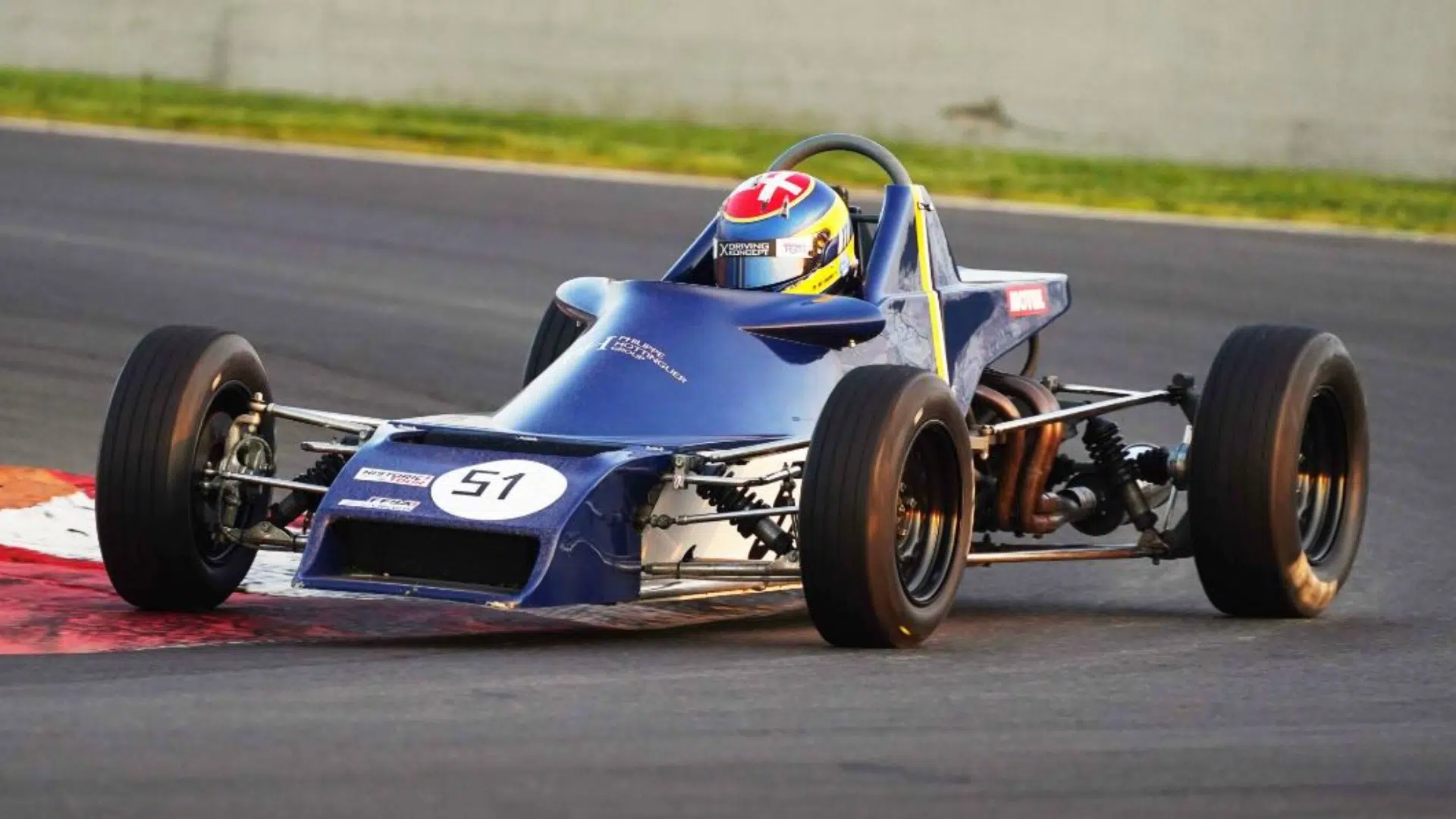
Image Source: GoToTheGrid
Formula Ford cars are simple. They have no aerodynamic wings and use only basic suspension and brakes. That means they don’t stick to the track like Formula 1 cars do. Drivers must balance grip, braking, and steering all on their own.
This setup teaches:
- Throttle control: too much gas, and the tires slide
- Braking technique: hard stops without anti-lock systems
- Car balance: feel the car move and adjust in real-time
Because every driver races with similar cars, the fastest lap times come from driver skill, not fancy equipment.
Skills Young Drivers Learn in Formula Ford Racing
Formula Ford is built around fairness. The rules are strict, and every car follows the same limits. Engines are sealed.
Tires are controlled. Teams cannot buy extra speed. This creates a level racing field where driver ability is the only real advantage.
Because of this balance, young drivers must rely on skill instead of equipment. Winning in Formula Ford comes from clean control, good timing, and wise choices on track.
Results reflect true talent, which is why teams trust this series when looking for future racing stars.
This fair setup also helps drivers develop key racing skills that last throughout their careers. Formula Ford teaches:
- Race strategy: knowing when to attack and when to stay patient
- Close racing: learning how to pass and defend without contact
- Car feedback: explaining how the car feels so teams can make changes
- Mental toughness: staying calm and focused under pressure
These core skills are used at every level of motorsport. Many racing stars carry them from Formula Ford all the way to Formula 1, IndyCar, and touring car racing.
Famous Racing Stars Who Got Their Start in Formula Ford

Many top-level drivers began their careers in Formula Ford. Here are a few well-known names:
| Driver | Notable Achievement |
|---|---|
| Ayrton Senna | 3-time Formula 1 World Champion |
| Jenson Button | 2009 Formula 1 World Champion |
| Nigel Mansell | F1 and IndyCar Champion |
| Mark Webber | 9 Formula 1 race wins |
| Danica Patrick | First woman to win in IndyCar |
| Scott Dixon | 6-time IndyCar Series Champion |
“It taught me how to race properly. There was no hiding. If you were good, it showed.”
— Ayrton Senna, Formula 1 legend and former Formula Ford champion
What Makes Formula Ford Racing So Competitive?
Formula Ford racing is known for being close and exciting. The cars are almost equal, so every race comes down to driver skill.
There are no fancy upgrades or big budgets to give one team a big edge. That means races are often tight, with drivers fighting for every spot.
Mistakes are hard to hide, and clean passes are not easy to make. The short race lengths add pressure, making every lap count.
Drivers must stay sharp from start to finish. This creates a fast, fair, and tough racing series, one that builds the skills needed to compete at higher levels.
Major Formula Ford Tracks Around the World
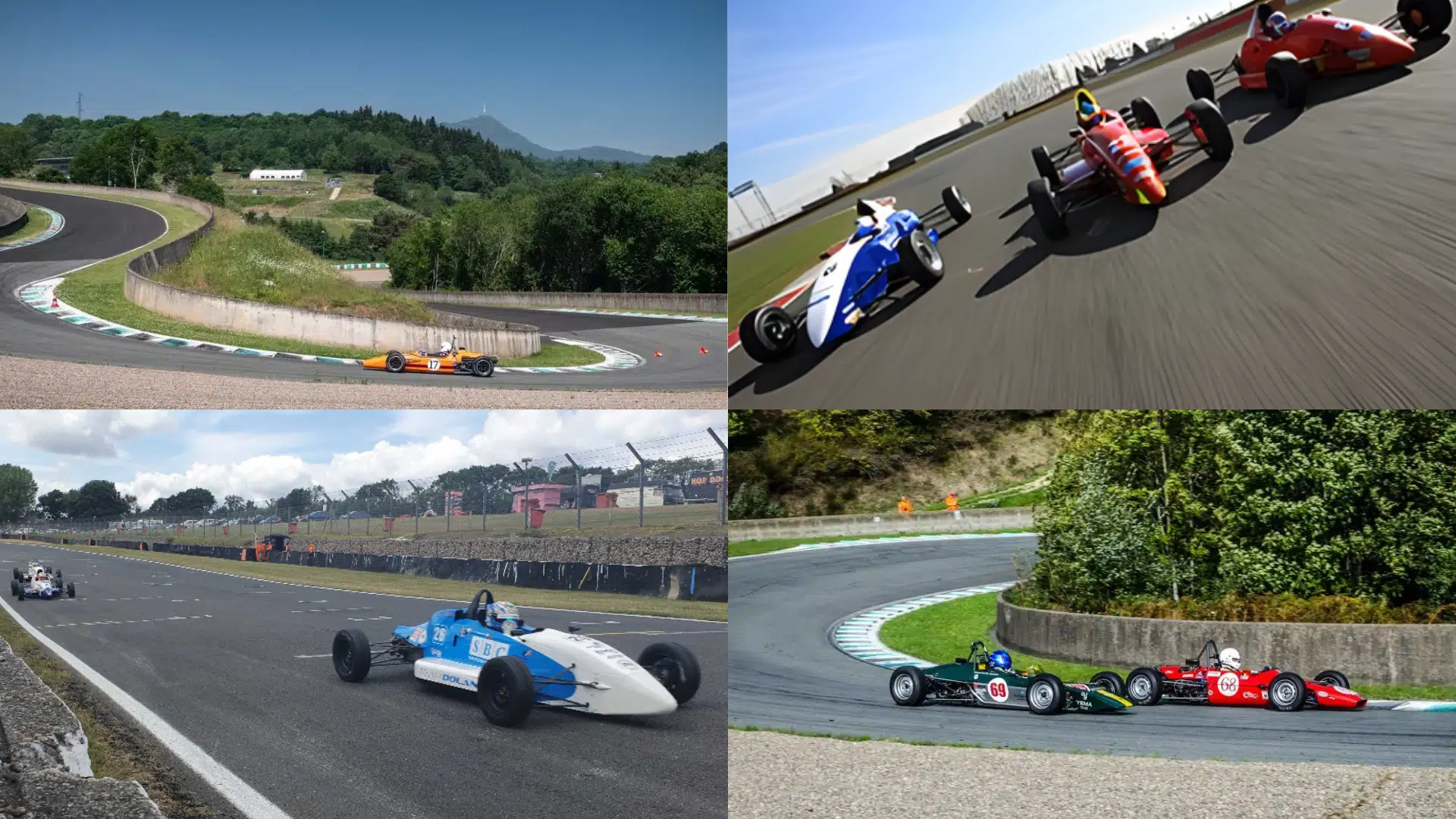
Formula Ford races happen across several countries. Each region has its own championship and famous circuits. Here are some of the most well-known tracks where future racing stars have competed:
| Track Name | Country | Why It’s Famous |
|---|---|---|
| Brands Hatch | United Kingdom | Birthplace of Formula Ford; tight, technical corners |
| Phillip Island | Australia | Fast, flowing circuit with ocean views |
| Mosport Park | Canada | One of Canada’s top road courses; hosted F1 in the 60s–70s |
| Donington Park | United Kingdom | Historic British track with elevation changes |
| Road America | United States | Long straights, heavy braking zones, good for testing skill |
| Mondello Park | Ireland | Known for tricky conditions and strong local competition |
| Taupo Motorsport Park | New Zealand | Key training ground for young Kiwi drivers |
What Comes After Formula Ford for Young Drivers
For many drivers, Formula Ford is not the end goal; it’s the launchpad. After gaining experience here, most racers use it as a stepping stone toward higher racing series.
- Start with karting: This is where basic racing instincts are formed.
- Step into Formula Ford: Drivers now face full-size cars with real gear shifts, tougher handling, and longer races.
- Move up to Formula 3 or Formula 4: These series add more speed, aero, and data use.
- Advance to Formula 2, Indy Lights, or Touring Cars: Depending on the driver’s region and goals.
- Reach top-level series like Formula 1, IndyCar, or World Endurance Championship.
Drivers leave the series with better control, stronger race habits, and real-world experience against tough competition.
For scouts and racing teams, success in Formula Ford often signals that a driver is ready for professional development
How Formula Ford Compares to Other Beginner Racing Series
Many drivers begin in karting or move directly into junior formulas like Formula 4. Here’s how Formula Ford stacks up against other popular beginner-level racing series:
| Feature | Formula Ford | Formula 4 | Karting |
|---|---|---|---|
| Car Design | Open-wheel, no wings | Open-wheel with wings | Small, lightweight chassis |
| Driving Aids | None | Paddle shifters, aero help | None |
| Cost to Enter | Low to medium | Medium to high | Low to medium |
| Focus Area | Pure driver skill | Mix of skill and tech | Driver basics |
| Race Format | Short, no pit stops | Longer, some strategies | Very short sprints |
| Path to Pro Racing | F1, IndyCar, Touring | F3, F2, F1 | Karting → Cars |
Conclusion
Formula Ford does more than start racing careers; it tests character, sharpens instincts, and builds strong habits that last.
Drivers don’t rely on fancy tools or expensive cars here. They depend on themselves. That’s why so many professionals still look back on their Formula Ford days as the most crucial step.
The series proves that with the right environment, true talent rises. Its impact is seen not just on the track, but in how drivers grow off it too.
Want to understand what makes a great racer? Start by looking at where many of them began, with Formula Ford.


